
A modern car key may look like an ordinary metal key while containing a small electronic transponder inside its plastic head. The blade operates the mechanical lock or ignition cylinder, but the chip must also be recognized by the vehicle’s immobilizer before the engine can start.
Local Locksmith PCB provides mobile transponder chip key duplication for supported vehicles throughout Panama City Beach. Service may include identifying a compatible key, cutting the mechanical blade, programming or cloning the transponder and testing the completed key with the vehicle.
Call (850) 238-2230 and provide the vehicle’s year, make and model. Tell us how many working keys remain and whether the current key has remote buttons, a folding blade or a separate fob.
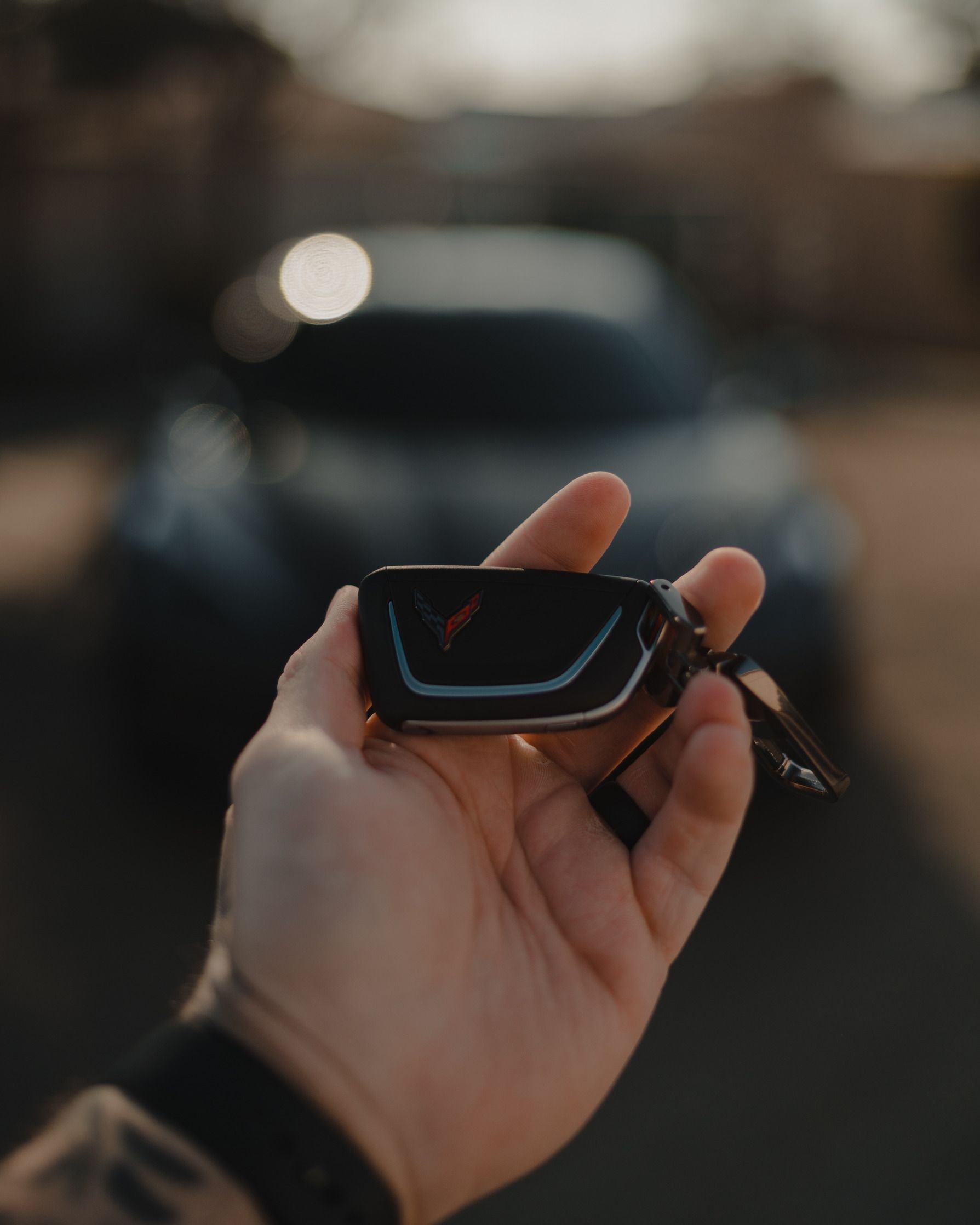
What Is a Transponder Car Key?
A transponder is a small electronic component placed inside the key head, remote-head key or another part of the vehicle key. When the ignition is operated, the vehicle checks for an authorized transponder response.
If the response is accepted, the immobilizer allows the vehicle to start. If the chip is missing, damaged or not programmed correctly, the mechanical blade may turn while the engine remains disabled.
Transponder systems became common as manufacturers added electronic authorization to mechanical keys. The exact chip, frequency and programming procedure vary by manufacturer, model and year.
The external shape of two keys does not prove that their transponders are compatible.
Chip Key Versus Remote Key
The transponder and remote-control buttons perform different functions. The transponder communicates with the immobilizer and allows the engine to start. Remote buttons control features such as locking, unlocking, panic or trunk release.
A key may start the vehicle even when the remote buttons do not work. It is also possible for the buttons to operate while the immobilizer rejects the transponder.
Some keys contain both systems in one housing. Others use a separate remote and a transponder embedded inside the mechanical key.
When requesting service, explain which functions currently work. This helps determine whether the request involves the chip, remote, blade or more than one component.
How to Recognize a Chip Key
A thick plastic key head often contains a transponder, but appearance alone is not reliable. Some plastic keys have no chip, while certain small transponders are hidden inside folding keys, remote-head keys and proximity fobs.
A security or immobilizer light on the dashboard may provide a clue. If an unrecognized key is used, the light may flash or remain illuminated, depending on the vehicle.
The vehicle’s year, make, model and current key information are needed to identify the system. Manufacturer part numbers, key markings and diagnostic information may also be relevant.
Do not open the key housing unless it is designed for routine battery replacement. A loose or damaged transponder can be lost during disassembly.
Cutting the Blade and Programming the Chip
Producing a complete transponder key often involves two separate steps. First, the blade must be cut to operate the vehicle’s mechanical lock or ignition. Second, the chip must be configured so the immobilizer recognizes it.
A correctly programmed chip does not correct an incorrectly cut blade. Likewise, a perfectly cut blade does not start an immobilizer-equipped vehicle if its transponder is missing or unauthorized.
After duplication, both functions should be tested. The key should operate the intended mechanical locks and start the vehicle consistently.
Remote buttons and proximity functions should also be tested when they are included with the key.
Transponder Cloning and Vehicle Programming
Transponder duplication can involve different supported methods. In some systems, a compatible chip may be configured using information from an existing working key. Other vehicles require the additional key to be registered directly with the immobilizer.
The available method depends on the transponder type and vehicle system. It should not be assumed that every chip can be copied or that every vehicle uses the same programming process.
Some vehicles require one or more existing keys during programming. Others use diagnostic equipment or security information to register the new key.
The technician must identify the system before confirming the service.
Why a Working Key Is Important
Making a spare is generally more straightforward while at least one working key remains. The existing key provides useful information about the blade, transponder and expected vehicle behavior.
If the only key becomes lost or stops communicating with the immobilizer, the request becomes an all-keys-lost service rather than standard duplication.
Some vehicle procedures differ depending on how many working keys are currently available. The required equipment, time and key information may also change.
A customer who has only one working key should consider making a spare before the original becomes worn, damaged or missing.
Duplicate Chip Key Versus All Keys Lost
Duplication begins with a working key that can be evaluated and tested. An all-keys-lost situation has no functioning example available.
When every key is missing, the technician may need to confirm mechanical key information, produce a new blade and register a new transponder with the vehicle. Authorized vehicle access may also need to be restored.
Tell us clearly if no working key remains. Calling an all-keys-lost request a “duplicate” can result in the wrong service preparation.
For a broader explanation of planned spare keys and lost-key situations, visit our car key duplication page.
When a Chip Key Opens the Door but Will Not Start the Car
A mechanical blade can open the vehicle even when the transponder is not recognized. This may happen with an unprogrammed duplicate, damaged chip or incompatible replacement key.
The vehicle may crank without starting, start and stop, or display an immobilizer warning. The exact response differs among manufacturers.
Do not repeatedly attempt to start the vehicle if the key is clearly being rejected. Some systems may temporarily restrict additional attempts.
Compare the behavior with another working key if one is available. If every key produces the same no-start condition, the cause may involve the vehicle rather than the keys.
When the Remote Works but the Engine Will Not Start
Remote buttons and the immobilizer can operate independently. A key may lock and unlock the doors while its chip remains unrecognized by the starting system.
This commonly causes confusion because the customer sees the remote working and assumes the entire key is properly programmed.
Testing should include starting the vehicle, operating the mechanical blade and checking the intended remote functions. Success in one area does not confirm the others.
When the Car Starts but the Buttons Do Not Work
If the engine starts normally but the lock and unlock buttons do not respond, the transponder may be functioning while the remote portion needs attention.
The issue may involve a weak remote battery, damaged button contacts, incompatible remote electronics or missing remote pairing.
Replacing the remote battery does not program an immobilizer chip. Similarly, programming the chip does not automatically repair broken buttons or damaged electronics.
Worn Transponder Key Blades
The electronic chip may continue to work while the metal blade becomes worn. Rounded cuts, bending and damage near the shoulder can make the key difficult to insert or turn.
Copying directly from a heavily worn blade may reproduce its problems. The key and vehicle locks should be evaluated before another copy is cut.
If a less-used spare works more smoothly, it may provide a better example for duplication. If several keys bind in the same cylinder, the lock or ignition may require inspection.
Ignition-related symptoms are discussed on our ignition lock repair page.
Broken or Damaged Key Housings
A transponder key housing can crack near the blade, key ring or button area. A loose blade may place additional stress on the ignition and eventually separate from the housing.
In some supported designs, usable electronics can be transferred into a compatible replacement shell. Other keys may require a complete replacement.
The transponder must not be lost or damaged during shell work. A key with working buttons may still fail to start the vehicle if its chip is missing after reassembly.
The existing key should be inspected before deciding whether shell replacement, duplication or a new programmed key is appropriate.
Customer-Supplied Transponder Keys
Keys purchased online may appear identical while containing different chips, frequencies or internal electronics. Button layout and shell shape alone do not confirm compatibility.
A customer-supplied key can be evaluated, but successful cutting or programming cannot be assumed. The key may use the wrong chip, have an incompatible blade or contain electronics previously locked to another vehicle.
Check the listing, part number and compatibility information before purchasing. Generic descriptions such as “fits many vehicles” are not enough to establish support.
Cutting a supplied blank can permanently change it, so compatibility should be evaluated first.
Removing a Missing Key From Vehicle Memory
When a programmed key has been lost, creating another key does not necessarily stop the missing one from starting the vehicle.
Some immobilizer systems allow missing keys to be removed from the authorized key list during programming. Procedures and availability vary by vehicle.
Tell us whether the request is for an additional spare or to replace a key that is lost, stolen or no longer controlled. Those situations may require different programming decisions.
The mechanical blade of a missing key may still operate a door or ignition cylinder even if its chip is removed from electronic authorization.
Limits on the Number of Programmed Keys
Some vehicles limit the number of keys that can be stored in the immobilizer. A vehicle that has received several replacement keys over time may reach that limit even when the customer physically possesses only one or two keys.
The technician may need to inspect the system before confirming that another key can be added. Removing old or missing keys may be part of the supported procedure.
Key limits and reset procedures vary by manufacturer and system.
Proximity Fobs Are Not Traditional Chip Keys
A proximity fob also communicates electronically with the vehicle, but it typically supports keyless entry and push-button start rather than a traditional blade-operated ignition.
These fobs may contain a transponder, remote electronics and a removable emergency blade. Replacement involves different compatibility and programming requirements from a basic chip key.
When calling, tell us whether the vehicle starts by inserting and turning a key or by pressing a button while the fob is nearby.
More information about supported proximity systems is available on our automotive locksmith page.
Laser-Cut Blades With Transponder Chips
A transponder key may use a traditional edge-cut blade or a sidewinder-style blade. The blade type and electronic chip are separate parts of the key system.
A laser-cut or sidewinder blade requires a compatible blank and suitable precision cutting equipment. After cutting, the transponder must still be programmed when required.
Visit our laser-cut car key page for additional information about these blades.
OEM and Compatible Chip Keys
Transponder keys may be available as original manufacturer components or compatible replacement products. Either option must use the correct blade and electronic specifications for the vehicle.
An original-looking logo does not by itself prove that a key is new, compatible or ready for programming. Part numbers and internal components must be considered.
Learn more about key compatibility on our OEM and replacement key page.
Vehicle Authorization and Ownership
Before a transponder key is produced or programmed, the technician needs a reasonable basis to confirm authorization. Identification, registration, title, insurance information or company approval may be required.
The vehicle identification number and customer documentation should reasonably correspond. If the vehicle belongs to an employer, a fleet representative may need to authorize the service.
For a rental vehicle, contact the rental company. The agreement may prohibit unauthorized key duplication or require the company to arrange replacement.
Supported Makes and Transponder Systems
Transponder systems vary by manufacturer, model and year. A single manufacturer may use several chip types and programming procedures across its vehicle lineup.
We evaluate chip key service for supported vehicles from manufacturers including Honda, Toyota, Ford, Chevrolet, Nissan and others.
Provide the exact year and model before assuming that a key or programming method is available.
Testing a Newly Duplicated Chip Key
A completed key should be tested before it is stored as a spare. Confirm that the blade operates the intended mechanical locks and ignition.
Start the vehicle several times and observe whether any immobilizer warning appears. Test remote buttons when they are included.
If the key contains a removable emergency blade, confirm that it is cut and secured correctly. Keep the completed spare in a secure location outside the vehicle.
Mobile Chip Key Duplication Service
Mobile service allows supported key cutting and programming to be performed at the vehicle’s location. The vehicle should be parked in a safe, accessible area with sufficient working space.
Tell us if the vehicle is in a parking garage, gated community, dealership, repair facility or controlled property. Permission may be required before work can begin.
If the vehicle is locked and the keys are inside, access service may be required before duplication. See our car lockout page.
Chip Key Service Areas
Our primary transponder key service area includes Panama City Beach. Mobile technicians also serve Panama City, Lynn Haven and Mexico Beach, depending on availability.
Coverage extends west along the 30A corridor, including Santa Rosa Beach and Rosemary Beach.
Provide the vehicle location, year, make, model and number of working keys when calling.
Call for Transponder Key Duplication
Call (850) 238-2230 to check compatibility and request mobile chip key duplication in Panama City Beach.
Transponder Chip Key Questions
Can a chip key be duplicated?
Many supported transponder keys can be duplicated or added to the vehicle. The correct method depends on the chip type and immobilizer system.
Why does my copied key turn but not start the car?
The mechanical blade may be correct while the transponder is missing, incompatible or not programmed. Both mechanical and electronic functions must be tested.
Can you duplicate a chip key if I have one working key?
Service is often more straightforward when a working key remains. The required procedure still depends on the vehicle and transponder type.
Can you make a chip key when all keys are lost?
That is an all-keys-lost service rather than normal duplication. Availability and procedures depend on the vehicle’s year, make, model and immobilizer.
Can you program a transponder key purchased online?
The key can be evaluated, but successful programming cannot be guaranteed. It must contain the correct chip, blade and compatible electronics.
Do remote buttons and the transponder use the same programming?
Not always. Immobilizer authorization and remote functions may require separate procedures, depending on the vehicle.
Do I need proof of ownership?
Yes. Identification and available registration, title, insurance, rental or company authorization may be required before producing or programming a vehicle key.