
Replacing a modern car key involves more than finding a remote with the right logo. The key must match the vehicle’s electronic system, blade design, transponder type, operating frequency and programmed functions. When a customer specifically requests an OEM car key, those details become especially important.
Local Locksmith PCB provides mobile OEM car key identification, cutting and programming for supported vehicles in Panama City Beach and surrounding communities. We work with traditional transponder keys, remote-head keys, proximity fobs, emergency insert blades and laser-cut key systems.
Call (850) 238-2230 with the vehicle year, make and model. Tell us whether a working key is available and whether the vehicle uses a keyed ignition or push-button start. We will use that information to determine what type of key system needs to be checked.
What Does OEM Mean for a Car Key?
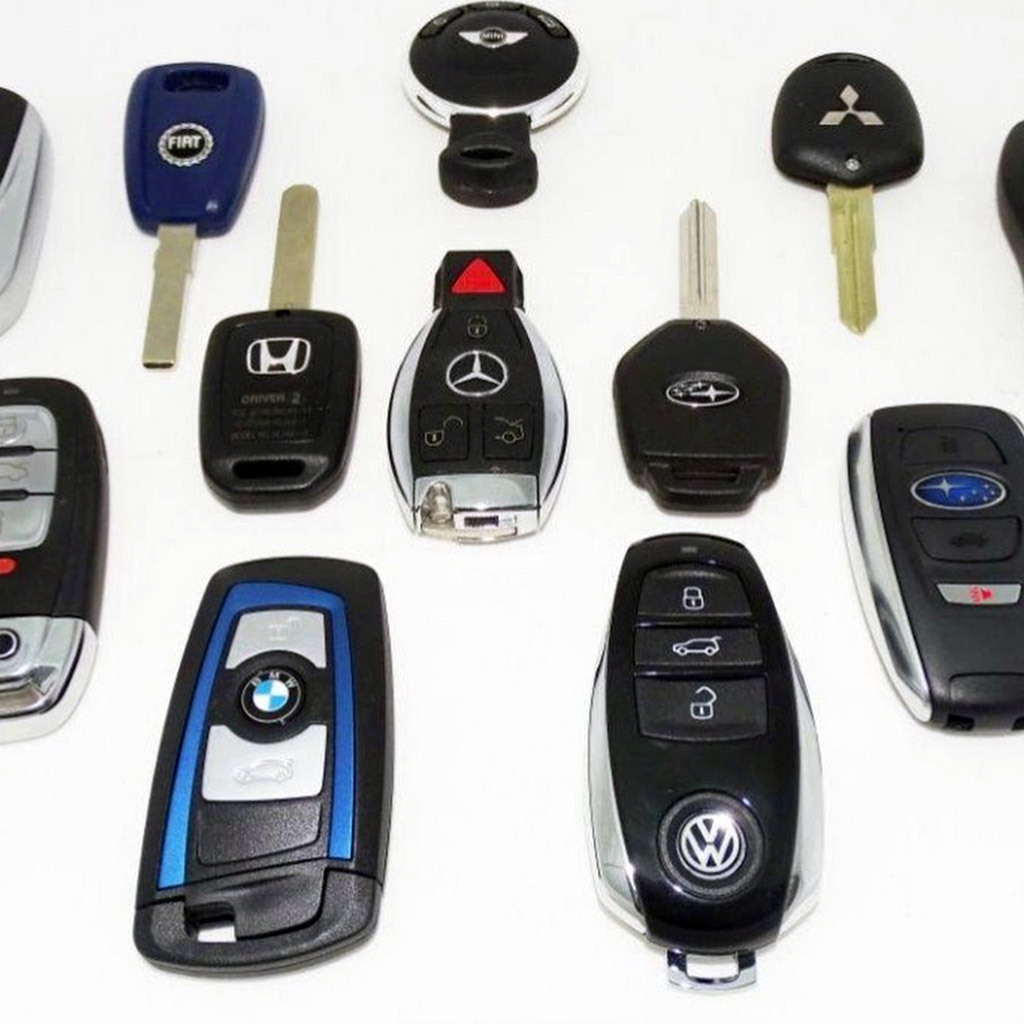
OEM stands for original equipment manufacturer. In the automotive key market, the term generally refers to a key, remote or fob produced for the vehicle manufacturer’s original system. It may carry the manufacturer’s branding and a part number associated with a particular group of vehicles.
An OEM key should not be selected by logo alone. Manufacturers frequently use several electronic systems across different model years, trims and production markets. Two remotes may have identical housings while using different frequencies, transponder chips or circuit boards.
A compatible replacement key may also work correctly when it is designed for the exact vehicle system. The important distinction is not simply whether a logo appears on the housing. The key must have the correct internal components and be capable of being registered to the vehicle.
OEM Keys and Compatible Replacement Keys
Some drivers specifically prefer an OEM key because they want the same housing, button arrangement and functions as the original. Others are comfortable with a compatible replacement that provides the necessary lock, start and remote functions.
Neither option should be chosen without checking compatibility. A poorly matched key can have the correct blade but the wrong chip. It can also contain a compatible transponder while using a remote frequency the vehicle cannot recognize.
We identify the available options for the individual vehicle before cutting or programming. The final choice may depend on availability, the functions the customer needs and the vehicle’s programming requirements.
How the Correct Key Is Identified
Vehicle key identification may involve several pieces of information. The year, make and model provide a starting point, but they are not always enough on their own.
Depending on the vehicle, the technician may examine:
- The vehicle identification number
- The original key or fob
- The number and arrangement of remote buttons
- The manufacturer or supplier part number
- The electronic identification printed inside the housing
- The transponder type
- The key blade profile
- The vehicle’s ignition or proximity system
- The production year and regional specification
This identification process helps prevent cutting or programming an electronic key that only looks correct.
The Logo Does Not Confirm Compatibility
A manufacturer may use several key designs during the same model generation. A remote from another vehicle can have the same logo and button layout but communicate using different electronics.
Online listings sometimes describe a fob as fitting a broad range of vehicles. That description should be verified against the vehicle and the identification on the original key. Appearance alone does not confirm that the transponder, remote or proximity functions will work.
This is one reason we ask customers to provide accurate vehicle information before a technician is dispatched.
OEM Transponder Keys
A transponder key contains a coded electronic chip that communicates with the vehicle’s immobilizer system. The mechanical blade may turn correctly, but the engine may not start until an authorized chip is programmed.
The appropriate programming method varies by manufacturer and model. Some systems follow a different procedure when a working key is available. Others require vehicle-specific equipment and security access.
For more information about chip identification and programming, visit our transponder chip key service page.
OEM Remote-Head Keys
A remote-head key combines several components inside one housing. It may include a mechanical blade, immobilizer transponder and buttons for locking, unlocking, trunk release or panic functions.
The remote buttons and immobilizer chip do not always use the same programming process. A key can start the engine while one or more remote functions remain unpaired. It can also operate the locks remotely but fail the vehicle’s immobilizer authorization.
Every function expected from the replacement should be tested at the vehicle after cutting and programming.
OEM Proximity Fobs and Push-Button Start
Vehicles with push-button start commonly use a proximity fob. The vehicle detects an authorized fob nearby and allows the driver to unlock the doors or start the engine without inserting a traditional key.
Proximity systems are especially sensitive to electronic compatibility. Frequency, circuit-board identification and vehicle programming requirements must match. A fob from another model or market may look identical but remain unusable with the vehicle.
Many proximity fobs also contain a removable emergency blade. That blade should be cut and tested along with the electronic functions.
The Emergency Insert Key Still Matters
The small mechanical key hidden inside a proximity fob is easy to overlook. It can provide manual door access when the fob battery is depleted or when the vehicle’s electrical system is not responding normally.
A replacement fob is not complete if the emergency insert is blank or cut incorrectly. We check the blade style and test the insert in the appropriate vehicle lock when that function is part of the key system.
OEM Laser-Cut and Sidewinder Keys
Many newer and higher-security vehicle keys use a milled track through the face of a thicker blade. These keys are commonly called laser-cut or sidewinder keys, although a precision milling machine normally creates the blade profile.
The correct blank and cutting data are required. A blade that is slightly inaccurate can bind, turn poorly or place unnecessary strain on the lock or ignition cylinder.
Our laser-cut car key page explains how these blades differ from traditional edge-cut keys.
Making an Additional OEM Spare Key
If you still have a working key, it is a good time to consider making a spare. The existing key can help with identification, comparison and final testing. On some vehicles, the presence of a valid key also affects the programming procedure.
A spare can be configured as a fully functional daily-use key when the correct option is available. Depending on the vehicle, another possibility may be a simpler backup with only the functions the customer considers necessary.
Visit our spare car key service page for guidance on selecting and storing a backup key.
Replacing an OEM Key When All Keys Are Lost
An all-keys-lost situation is different from duplicating an existing key. The technician may need to identify the key from the vehicle, create the correct blade and register a new electronic key without an original available for comparison.
The vehicle must be accessible, and the customer must provide proof of ownership or authorization. Support depends on the manufacturer, model, year and key system.
If the vehicle is also locked, our car lockout service may be part of restoring authorized access.
Used OEM Fobs Require Careful Inspection
A used manufacturer-branded fob may look like an attractive replacement, but previous programming can affect whether it can be registered to another vehicle. Some electronic keys can be prepared for reuse under specific conditions. Others remain locked to the original vehicle or cannot be supported by the necessary programming process.
Physical condition also matters. A used fob may have worn buttons, damaged contacts, a cracked housing or evidence of moisture exposure. The seller’s description cannot confirm the condition of every internal component.
Before purchasing a used key, compare its complete identification with the system required by the vehicle. Do not rely only on the logo or exterior shape.
Customer-Supplied OEM Keys and Fobs
Customers may provide a key or fob purchased from a dealer, parts supplier or online seller. We can inspect the item and compare it with the vehicle requirements, but successful programming cannot be assumed before the key is evaluated.
The item may be incorrect even if an online compatibility tool listed the same make and model. Production changes, regional frequencies and different trim configurations can affect the key system.
A blade should not be cut until the blank and electronic components have been checked. Once a blade has been cut, it generally cannot be returned or reassigned to a different key profile.
When the Housing Is Damaged but the Electronics Still Work
A cracked shell, broken key ring or worn button pad does not always mean the entire electronic key must be replaced. In some cases, functioning components can be transferred into a suitable replacement housing.
This option depends on the condition and design of the original key. Water intrusion, damaged circuit boards, broken battery contacts or an unreliable transponder can make a housing-only repair inappropriate.
The key should be inspected before deciding whether to replace the shell or prepare a complete new key.
Water, Sand and Coastal Conditions
Panama City Beach is not an easy environment for electronic keys. Saltwater, sand, humidity and heat can affect buttons, battery contacts, circuit boards and mechanical blades.
If a key gets wet, avoid repeatedly pressing its buttons. Electrical activity inside a damp fob can contribute to additional damage. Remove it from moisture and have it evaluated before assuming that a battery replacement will solve the problem.
Sand can also enter folding mechanisms and button openings. A key that feels gritty, sticks when opening or requires unusual pressure should be inspected before the housing or blade breaks.
Worn Blades and Ignition Problems
A new OEM key cannot correct every problem involving the ignition. If the original key must be jiggled, turned at an angle or pulled back before it works, the issue may involve blade wear, ignition-cylinder wear or both.
Copying a heavily worn blade can reproduce the worn profile. The technician should evaluate how the key interacts with the ignition before preparing the replacement.
See our ignition lock repair service if the key does not turn smoothly or the ignition cylinder feels inconsistent.
Removing a Lost Key From Vehicle Memory
When a key is lost or stolen, producing another key may not address the complete security concern. Some vehicle systems allow missing electronic keys to be removed from the authorized key memory during programming.
Available options vary by manufacturer and system. Removing electronic authorization may prevent the missing transponder or fob from starting the vehicle, but it does not change the mechanical door lock. A person holding the lost blade may still have another form of access.
Tell the technician if the key may have been stolen or lost together with identifying information so the situation can be evaluated appropriately.
Our Mobile OEM Key Service Process
The process begins before the technician arrives. We collect the vehicle year, make, model, ignition type and current key status. Photographs of the original key may help with preliminary identification when a working key is available.
At the vehicle, the technician verifies ownership information and confirms the key system. The new key is then inspected, cut and programmed as required. Expected functions are tested before the service is considered complete.
Depending on the key type, testing may include:
- Manual door operation
- Ignition-cylinder operation
- Immobilizer authorization
- Lock and unlock buttons
- Trunk or liftgate controls
- Push-button-start detection
- Emergency insert blade operation
Ownership Verification Is Required
Vehicle key creation is a security-sensitive service. The customer must demonstrate ownership or authorization to obtain a key for the vehicle.
Have a government-issued identification document and vehicle registration, title or other appropriate authorization available. The vehicle identification number may also need to be inspected directly on the vehicle.
Do not send photographs of personal documents through public comments or social media posts.
OEM Key Service for Supported Vehicle Brands
Key technology changes between brands, models and production years. A manufacturer may use traditional transponder keys in one vehicle, remote-head keys in another and proximity fobs in newer models.
We work with supported systems from brands commonly found throughout Bay and Walton Counties. Detailed pages are available for Honda, Toyota, Ford, Cadillac, BMW and Mercedes-Benz.
Brand coverage does not mean that every model, year or electronic system can be serviced in the same way. Compatibility is confirmed for the individual vehicle before work begins.
Mobile Service Around Panama City Beach
Local Locksmith PCB provides mobile automotive key service throughout Panama City Beach. We assist customers at accessible locations near Front Beach Road, Panama City Beach Parkway, Thomas Drive and surrounding neighborhoods.
Our broader service area includes Panama City, Lynn Haven, Mexico Beach, the 30A corridor, Santa Rosa Beach and Rosemary Beach.
Arrival time depends on technician availability, traffic, weather and the vehicle’s location. When calling, provide a clear description of where the vehicle is parked and whether there are access restrictions.
OEM Keys Within Our Automotive Service
OEM key identification is one part of our broader automotive locksmith service. Related services include cutting a spare, programming supported transponder keys, creating laser-cut blades, addressing vehicle lockouts and evaluating ignition lock problems.
For general duplication questions, visit our car key duplication page. The appropriate service depends on whether a working key is available, what type of key the vehicle uses and which functions need to be restored.
Frequently Asked Questions About OEM Car Keys
Is every key with a manufacturer logo an OEM key?
No. Logos and replacement housings can be added to keys from different sources. Identification should be based on the complete key, including its electronics, part information and compatibility with the vehicle.
Can an OEM key be programmed outside a dealership?
Many supported OEM keys can be cut and programmed by an equipped automotive locksmith. The available procedure depends on the vehicle manufacturer, model, year and security system.
Is an OEM key always required?
Not necessarily. Some vehicles have compatible replacement options that provide the required functions. Other customers prefer an OEM key because they want the original housing, branding or configuration. Compatibility must be checked in either case.
Can you program a used OEM key fob?
Possibly, but not every used fob can be reused. Its electronic state, identification, condition and previous programming must be evaluated before an answer can be confirmed.
Can you make an OEM key if all my keys are lost?
We can assist with supported all-keys-lost systems after ownership is verified. The process depends on the vehicle and may differ from making a duplicate while a working key is available.
Will a newly cut OEM key start the vehicle immediately?
Not if the vehicle requires electronic authorization and the transponder has not been programmed. Cutting the blade and programming the electronics are separate parts of many modern key services.
Do you provide mobile OEM key service?
Yes. Local Locksmith PCB provides mobile service at accessible locations in Panama City Beach and surrounding communities for supported vehicles.
Request OEM Car Key Service
Call Local Locksmith PCB at (850) 238-2230 if you need an OEM or compatible replacement key for a supported vehicle. Have the year, make, model and current key information ready. Tell us whether a working key is available and whether the vehicle uses a keyed ignition or push-button start.